

Introduction
Moving abroad isn’t a small decision. And as an only child, it can come with an extra layer of guilt, the feeling that you’re leaving your parents behind while you go build a life somewhere else.
I understand why people feel that way, but I never carried it as heavily. For me, Korea was never “goodbye forever.” I always knew I could come home if I needed to. That safety net changed everything: it made the move feel less like a dramatic break and more like a continuation of my life, just in a different place.
👉4 Years Later: Reflections on Building a Life in Korea
👉How to get a Startup Visa in Korea in 2025
👉Visa Extension in Korea! My Experience of Extending the Startup Visa!
👉How to Make Friends in Korea?
Why moving to Korea never felt like “leaving”
My dream of one day moving to Korea didn’t come as a surprise to my parents, or to anyone else, honestly. I’ve been consuming K-Content (dramas, K-pop) for over a decade. For years, whenever people asked my parents where I was, they would casually reply, “Oh, he’s in Korea right now.” It became such a normal answer that a lot of people already assumed I was living there, even though I was still only visiting during university vacations and breaks.
So when it finally came to “moving” to Korea, it didn’t feel dramatic from the outside. My first real move was on a Working Holiday visa, which, by design, was limited to one year. That one detail shaped everything: my parents didn’t see it as me leaving forever. It was more like, “He’ll be back in a year.” And I did come back after that year.
But the difference was that coming back wasn’t the end of the story, it was the part where I started planning properly. I came back after the Working Holiday visa ended, and I used that time to prepare for my next visa: the Startup Visa. It became about getting documents in order, figuring out what was realistic, and slowly building toward what “settling in Korea” could look like.
As an only child, I think people assume there’s an extra layer of pressure in a move like this. And maybe there is, but not in the way most people imagine. The biggest gift my parents gave me was making it clear that I could always come back, and I’d always be welcome. There was never this feeling of “you have to make it work, no matter what” or “if you fail, there’s no going home.”
That completely changed the emotional weight of moving abroad. It took away so much pressure. I always knew that if things got extremely hard, if I couldn’t take it anymore, I could come back home. And when you really think about it, the absolute worst-case scenario is not that scary: coming home to a welcoming family.
Because of that, moving to Korea never felt like one huge leap. It felt like a series of small, manageable steps. One year, see how it goes. Then another year. Then another year. And now it’s been almost five years. As long as my visa keeps getting extended one year at a time, I don’t think that feeling will change for a while. It still feels like I’m just continuing something that started with “let’s try.”
What helped my parents feel at ease
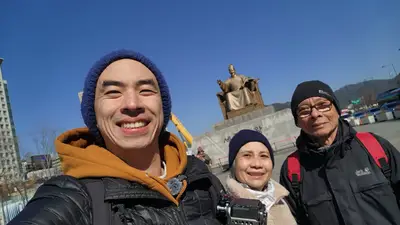
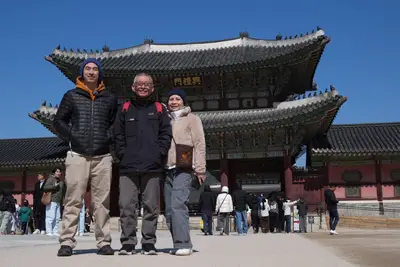
At some point, I asked my parents how they felt about me living in Korea, especially after they came to visit me and I showed them what my everyday life looks like. They were genuinely happy to see me thriving, living in a quiet neighborhood, having friends, having a routine. They could see that I’m happy here. And that made them feel at ease.
What mattered most to them wasn’t the country itself, but the environment: that I don’t face constant struggles, that I have stability, and that I’m surrounded by good people. In a way, it mirrors their own story too, settling in Germany and living a quiet life. They can recognize that same kind of comfort in me, and I think that’s what makes it easier.
Maintaining Friendships While Living Abroad
I only have a handful of friends left in my hometown, and to be honest, as adults we rarely get to see each other even when we live in the same town. We have to schedule things in advance, and we might meet up once every couple of months. So in that sense, it doesn’t really matter where I am in the world during the in-between. Whenever I come back, I let them know, we plan a hangout, and it works.
Messaging and the occasional call helps too, but old friendships don’t always need constant maintenance. The connection doesn’t change just because you’re not physically in the same place. It’s still there.
How I stay connected with my Parents while Abroad
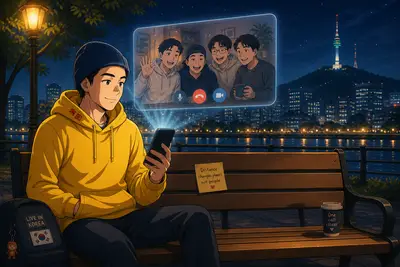
In the end, distance is distance, another city, another country. What mattered most wasn’t the number of kilometers, but staying connected and making sure my parents could see that I was okay.
Moving away might sound contradictory, but it actually made me feel closer to my parents than when I lived at home. It reminded me our time is limited, and that makes every call and visit feel more special.
- Sharing my daily life in Korea: pictures of food, friends, and small activities. It sounds simple, but it keeps my life visible, not distant.
- Frequent calls: I try to do a FaceTime call at least once a week, and sometimes my parents are busier than me.
- Visiting at least once or twice a year.
Conclusion
At the end of the day, moving abroad as an only child doesn’t have to mean choosing your new life over your family. What made the difference for me wasn’t pretending the distance doesn’t exist, but building a rhythm that keeps home close: communication, and small, consistent ways of sharing my everyday life.
The guilt that many people feel is real, but it can be softened when both sides have reassurance and visibility, when your parents can see that you’re safe, stable, and supported, and when you make the effort to show up through calls, messages, and visits whenever possible. And if frequent trips home aren’t realistic, the same principle still applies: connection matters more than geography.
For me, Korea never felt like “leaving,” because I never treated it like a one-way door. It was a series of steps I could take while staying anchored to me hometown, and that mindset turned living abroad into an extension of home, not an escape from it.
🏠 Looking for Housing in Korea? Renting Made Easy!
10% Off Service Fee with code:
KIMNINJA10
Enkostay Benefits:
✅ No Deposit ✅ Online Booking ✅ Immigration-friendly docs ✅ Flexible Contracts
Perfect for:
👨🏻💻 Digital Nomads 🎓 Students ✈️ Long-Term Travelers 🧳 Working Holiday
📬 Weekly Tips in Your Inbox
Whether you’re visiting, staying long-term, or relocating. I share honest insights, guides, and tools to help you navigate life in Korea.
Join 1,000+ readers learning how to live smarter in Korea, from visas to vibes.
👋 About Kim Ninja
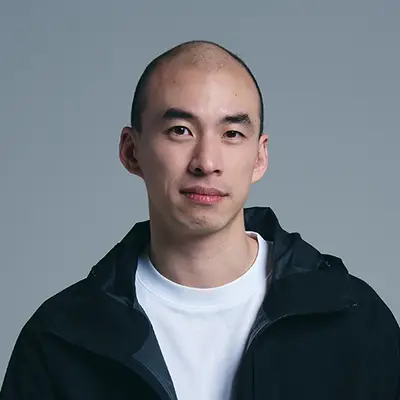
Kim Ninja (Nguyen Huy Kim)
🧭 Cultural Guide · ✍️ Storyteller · 🎨 Curator
📢 Creator helping foreigners understand and thrive in Korea
🗺️ I turn everyday challenges into comics, guides, and stories
The blog published by Kim Ninja (Huy-Kim Nguyen) is available for informational purposes only and is not considered legal advice on any subject matter.