



Introduction
When I first moved to Korea as an exchange student, settling in felt surprisingly smooth. The school handled most of the paperwork, and I lived with a couple of Korean housemates who quickly became close friends. They were my go-to people for everything, from navigating the subway system to understanding unspoken cultural rules, also showing me different drinking games, and how to mix Soju with Beer correctly!
We'd sit around the kitchen table, sharing meals and stories, learning about each other's cultures in the most natural, organic way possible. It was beautiful and enriching.
Fast forward to now: I'm running my own business in Korea, handling all the paperwork myself, and let me tell you, it's a completely different ballgame. Filing tax reports, extending visas, registering my business, dealing with banks... the list goes on. And I've realized something crucial: I couldn't have done any of this without the people who were just one step ahead of me, showing me the ropes.
I'd message a friend who had gone through the same visa process a couple months earlier. I'd sit with someone who walked me through filing a patent. And ChatGPT became my companion, helping me decode government letters, translations and figure out which documents I actually needed. (Seriously, how did people manage before AI? I have so much respect for the pioneers who figured all this out from scratch.)
The Cultural Navigation You Don't Know You Need
But here's the thing: Korea isn't just about paperwork. Even though Seoul feels modern and convenient, sometimes even more advanced than many Western cities, there's a deeply ingrained culture underneath that surface. And if you weren't directly exposed to it growing up, you can easily miss the subtle cues that make all the difference.
When you first arrive, it's invaluable to have someone give you an introduction to the unwritten rules. How do you behave in social settings? What does it mean when someone says "Let's have dinner someday" but never actually follows through? (Spoiler: it's often just a polite way to end a conversation, not an actual invitation.) Why does everyone suddenly switch to formal speech in certain situations? How do you order at a restaurant? These aren't things you'll find in a guidebook, but they're the things that determine whether you'll feel like you belong or like a perpetual outsider.
I remember when I first started meeting people through mutual friends and networking events. After a pleasant conversation, someone would say, "We should grab coffee sometime!" or "Let's meet up for dinner!" I'd genuinely think they wanted to hang out, so I'd follow up... and then hear nothing back. I felt confused and a bit rejected until a Korean friend explained: "It's just a social nicety. If someone really wants to meet, they'll suggest a specific time and place right away." Understanding this small detail saved me from a lot of unnecessary overthinking.
The Real Benefits of Having a Mentor (Or Just a Friend Who's Been There)
Having someone who's just a few steps ahead of you in your Korea journey isn't just helpful, it's essential. Here's why:
1. They Simplify the Bureaucratic Maze
Korean bureaucracy can be overwhelming. From health insurance registration to getting your alien registration card, every process seems to require a specific document you didn't know existed. A mentor who's navigated this before can tell you exactly what to bring, which office to go to, and even which subway exit is closest. They turn a potentially day-long ordeal into a manageable errand.
2. They Connect You to Networks and Communities
When you're new, you don't just need information, you need people. A good mentor will introduce you to their friend circles, connect you with other foreigners and Koreans in similar situations, and help you build a support system. Maybe it's a language exchange group, a startup community, or just a casual group chat where people share job postings and apartment leads. These connections become your lifeline, especially during tough times.
3. They Show You the Hidden Gems
Sure, you can Google "best restaurants in Mangwon," but nothing beats a friend telling you, "There's this tiny cafe serves the best croissant" They'll take you to the hidden spots that tourists never find, the local markets, the quiet cafes with the perfect working atmosphere.
4. They Help You Understand Social Situations
Remember that "Let's have dinner someday" situation? Or when you're not sure if you should remove your shoes at someone's house? Or how to politely decline an invitation without seeming rude? A mentor helps you understand the why behind these customs, not just the what. And that cultural fluency makes you feel less like an outsider and more like someone who genuinely understands the place they're living in.
5. They Give You Permission to Ask "Stupid" Questions
When you're navigating a new country, you have a million questions, and some of them feel too basic or embarrassing to ask publicly. Can I drink tap water? How do I separate my recycling? What's the deal with heated floors? A mentor creates a safe space where no question is too small, and you don't have to worry about looking ignorant.
6. They Remind You That You're Not Alone
Perhaps most importantly, having someone who's been through the same struggles reminds you that what you're experiencing is normal. The culture shock, the loneliness, the frustration with language barriers, they've felt it too. And they made it through. That reassurance alone can be the difference between giving up and pushing through.
Becoming a Mentor: Paying It Forward
Now here's something I never expected: becoming a mentor myself.
When I first heard the word "mentor," I pictured someone all-knowing, someone who never makes mistakes and always has the correct answer. From a mentee's perspective, that might actually feel true because the mentor seems to know so much about the topic. So when I started offering consultation sessions, I was genuinely nervous. Someone was paying me to solve their problems, and I wasn't sure what questions they'd ask or how technical things might get.
But after a few sessions, I discovered something reassuring: mentees usually start from zero. All you really need to do is establish some basics and give them pointers on where to look. Most of the time, they ask very simple questions like "How is life in Korea?" or "What's it like finding an apartment?" As someone who grew up in Germany and traveled the world, I can provide context and compare situations in Korea to their home country in ways they hadn't considered.
Being a mentor doesn't mean you have all the answers. It just means helping someone who was once in your shoes and sharing your part of the story, how you did things, what worked, what didn't. And here's the beautiful part: if you don't know something, you can ask another friend for help. That's exactly what I do. The mentorship chain continues, and everyone benefits.
What I've learned is that mentorship isn't about perfection, it's about generosity. It's about taking the time to remember what it was like when you didn't know these things, and offering that knowledge to someone who needs it now. And honestly? Helping others figure out their Korea journey has taught me just as much as my own experiences did.
Conclusion
If you're starting out in Korea, whether as a student, a working professional, or an entrepreneur, finding a mentor or simply connecting with someone who's been through it before can make all the difference. They'll help you navigate the bureaucracy, decode the culture, and build the networks you need to thrive.
And once you've settled in? Consider becoming that person for someone else. Share your experiences, answer their questions, and help them avoid the mistakes you made. Because that's how we build a community, one connection, one conversation, one shared experience at a time.
Korea is an incredible place to live, but it's so much better when you don't have to figure everything out alone. So reach out, ask for help, and when the time comes, pay it forward. The mentorship chain continues, and everyone benefits.
🏠 Looking for Housing in Korea? Renting Made Easy!
10% Off Service Fee with code:
KIMNINJA10
Enkostay Benefits:
✅ No Deposit ✅ Online Booking ✅ Immigration-friendly docs ✅ Flexible Contracts
Perfect for:
👨🏻💻 Digital Nomads 🎓 Students ✈️ Long-Term Travelers 🧳 Working Holiday
📬 Weekly Tips in Your Inbox
Whether you’re visiting, staying long-term, or relocating. I share honest insights, guides, and tools to help you navigate life in Korea.
Join 1,000+ readers learning how to live smarter in Korea, from visas to vibes.
👋 About Kim Ninja
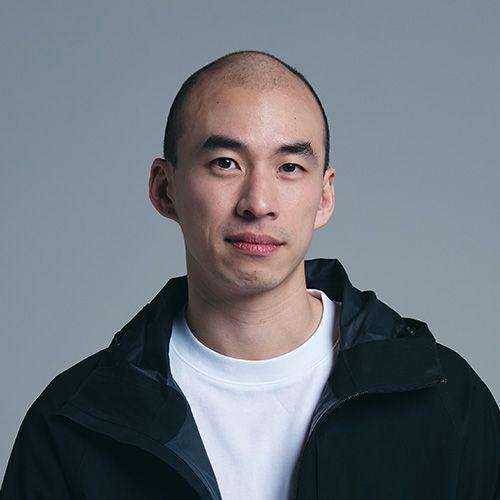
Kim Ninja (Nguyen Huy Kim)
🧭 Cultural Guide · ✍️ Storyteller · 🎨 Curator
📢 Creator helping foreigners understand and thrive in Korea
🗺️ I turn everyday challenges into comics, guides, and stories
The blog published by Kim Ninja (Huy-Kim Nguyen) is available for informational purposes only and is not considered legal advice on any subject matter.


